CleaningQA
CleaningQA / Inspection library
School Cleaning Checklist
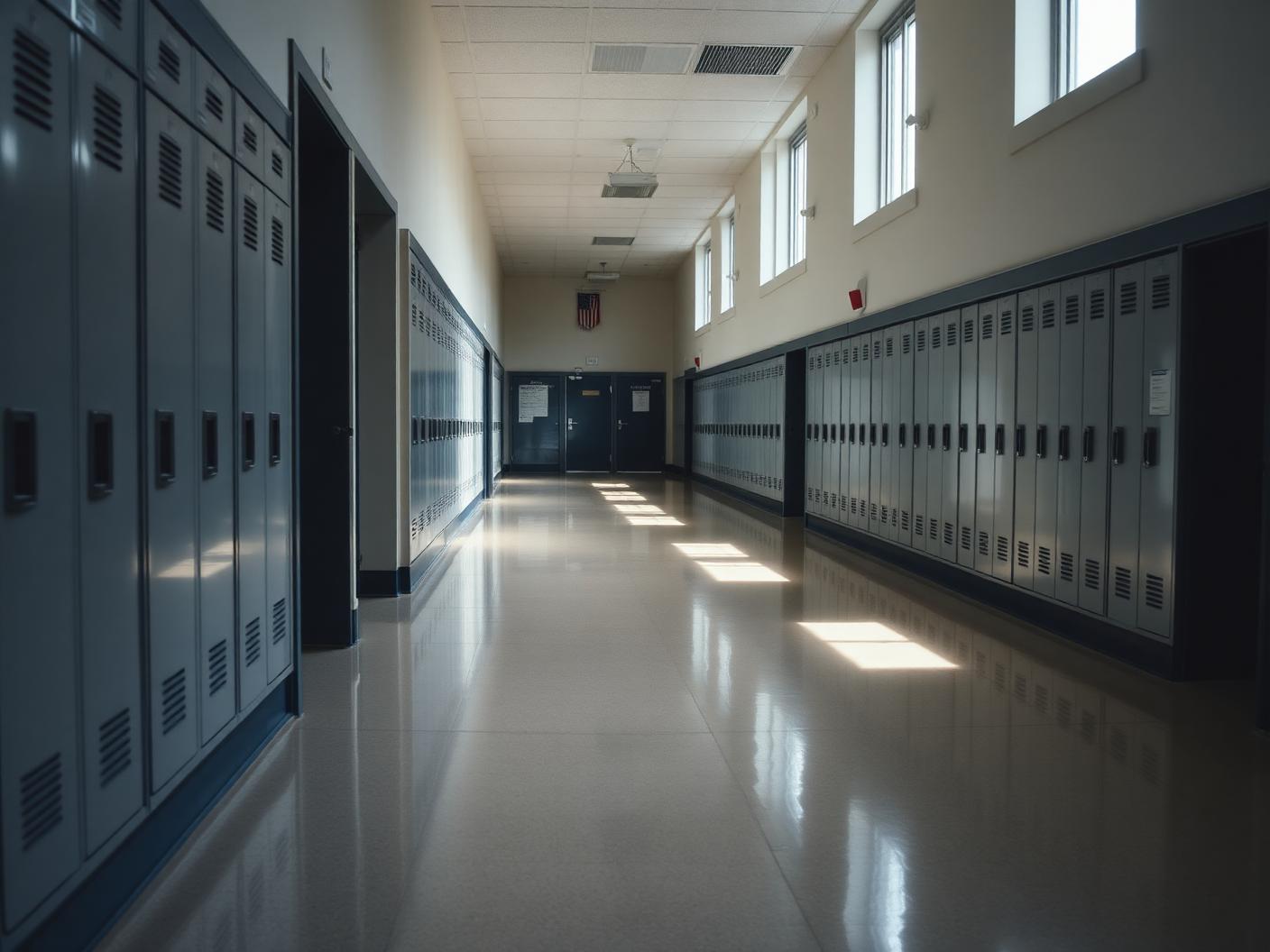
This is a quality inspection checklist for schools and education sites, written for cleaning contractors, site managers and business managers who need a consistent way to judge standards across a large, heavily used building.
Interactive checklist
Entrance and reception
Entrance doors and glazing are free from obvious fingerprints and marks at child and adult height.
dailyEntrance matting and flooring are free from debris, tracked-in dirt and standing water.
dailyReception desk, signing-in point and visitor seating are visibly clean and free from dust.
dailyDisplay boards, trophy cabinets and low-level ledges in the entrance are free from visible dust.
weeklyEntrance bins are emptied, relined and clean externally.
daily
Classrooms and teaching spaces
Inspect a representative sample across year groups and floors, not just the nearest rooms.
Classroom floors are clean throughout, including under tables and in corners, with no litter or dried spills.
dailyDesk and table tops are clean and free from residue, glue, paint marks and crumbs.
dailyChairs are clean, including seat undersides and frames where visible, and are correctly stacked or placed.
weeklyClassroom sinks, taps and splashbacks are clean and free from paint, clay and residue.
Where included within scopedailyHigh-touch points such as door handles, light switches and shared equipment surfaces are visibly clean.
dailyClassroom bins are emptied and relined, with no waste left beside them.
dailyWindow sills, low ledges and radiator tops are free from visible dust build-up.
weeklyInternal glazing and door vision panels are free from obvious handprints and smears.
weekly
Corridors, stairs and circulation
Corridor floors are clean and dry, with an even appearance and no scuff build-up beyond the agreed standard.
dailyStair treads, nosings and landings are clean and free from debris, including corners and edges.
dailyHandrails and balustrades are visibly clean along their full length.
dailyLocker fronts, tops and cloakroom areas are free from dust, marks and abandoned litter.
weeklyWall surfaces at contact height show no accumulated marking beyond the agreed standard; damage is reported rather than repeatedly scrubbed.
weekly
Dining hall and servery
Kitchen production areas are usually catering-managed; confirm the boundary before inspecting.
Dining tables and benches are clean and dry, with no food residue, crumbs or sticky patches.
dailyDining hall floor is clean, including under tables and along wall edges, with no dropped food remaining.
dailyServery-facing surfaces within the cleaning scope are visibly clean and free from spills.
Where included within scopedailyFood waste and recycling points are emptied after each service, relined, and the surrounding floor is clear.
dailyNo stale food odour is noticeable outside service hours.
daily
Pupil washrooms
The highest-complaint area in almost every school contract.
Toilets are visibly clean inside and out, including the base, pipework and cubicle side of the pan.
dailyBasins, taps and surrounds are clean, with no residue, soap build-up or standing water.
dailyFloors are clean and dry, including behind pans and along edges.
dailyCubicle doors, locks and partitions are clean and free from marks and graffiti; graffiti is reported.
dailyMirrors are free from streaking and splash marks.
dailySoap, paper and sanitary consumables are replenished where included within scope, in every cubicle.
Where included within scopedailyWaste and sanitary bins are emptied, relined and visibly clean.
dailyNo unresolved odour issue is present; any persistent problem is escalated rather than masked.
daily
Staff rooms and offices
Staff kitchen worktops, sink and taps are clean with no food residue or standing debris.
dailyMicrowave, fridge and kettle exteriors are clean and free from splashes.
Where included within scopedailyStaff room seating and tables are clean and free from crumbs and marks.
dailyOffice floors, clear desk surfaces and shared print areas are clean and free from visible dust.
dailyStaff area bins are emptied and relined, including recycling points.
daily
Sports hall and changing rooms
Sports hall floor is clean, free from dust and scuff debris, and safe to use with no residue underfoot.
Where included within scopedailyChanging room floors, benches and hooks are clean and free from mud, hair and litter.
dailyShower areas are clean, drain freely and show no soap or limescale build-up.
Where included within scopedailyChanging area bins are emptied, relined and the surrounding floor is clear.
dailyAccessible floor areas in equipment stores are clear of debris; equipment is not moved to inspect.
weekly
Periodic and recurring checks
Accessible high-level surfaces, vents and light fittings are free from visible dust where they can be reached safely.
Where included within scopeperiodicHard floors show an even finish with no residue build-up or dulling in high-traffic routes.
Where included within scopeperiodicCleaning store, equipment and chemicals are clean, organised, correctly stored and secured.
weeklyIssues raised at the previous inspection have been resolved and have not recurred.
weekly
Run this as a digital inspection
Turn this checklist into recurring site inspections, corrective actions, photographic evidence, supervisor verification and professional client reports. Your edits come with you.
Schools are inspected against what is visible first thing in the morning, not what was done overnight. Every item below describes an observable outcome — a floor, a surface, a washroom, a dining table — so a supervisor can record a meaningful pass, fail or not applicable.
What this checklist covers
- Entrance and reception
- Glazing, matting, signing-in point, displays and waste.
- Classrooms
- Floors, desks and chairs, sinks, touch points, ledges and glazing.
- Corridors and stairs
- Floors, treads and nosings, handrails, lockers and wall marking.
- Dining hall and servery
- Tables, floors, in-scope servery surfaces, food waste and odour.
- Pupil washrooms
- Pans, basins, floors, cubicles, mirrors, consumables and waste.
- Staff rooms and offices
- Kitchen surfaces, appliance exteriors, seating, desks and bins.
- Sports hall and changing
- Hall floor, changing rooms, showers, waste and store floors.
- Periodic checks
- High-level dust, floor condition, chemical storage and recurring issues.
Suggested frequencies
These are starting points, not a universal standard. The right frequency depends on the scope of work, footfall, site usage, client requirements and facility risk.
- Daily: Washrooms, dining, classroom floors and bins, touch points and circulation.
- Weekly: Chairs, ledges and sills, internal glazing, lockers and wall marking.
- Periodic: High-level dusting and floor restoration, usually scheduled in school holidays.
How to use this checklist
- Confirm the boundary with catering and site staff before inspecting kitchens, serveries or equipment stores.
- Inspect a representative sample of classrooms across year groups and floors, and rotate which rooms you sample.
- Inspect before the school day where possible — that is the standard pupils and staff actually see.
- Photograph failures, and include enough context to identify the room or block.
- Separate cleaning failures from damage and wear, and route them to the right owner.
- Raise corrective actions with an owner and a deadline, and verify with evidence before closing.
Cleaning checklist vs quality inspection
A task checklist asks: was the task done? A quality inspection asks: does the result meet the agreed standard? The difference matters, because a client never sees your task list — they see the edge of a corridor, a washroom mirror and a meeting room table. Writing each item as an observable outcome is what makes a pass or fail defensible in a contract review.
Common quality failures
- Classroom floors clean in the open space but not under tables or in corners.
- Chair frames and seat undersides never inspected, so residue builds up over a term.
- Washrooms cleaned before first break and never checked again during the day.
- Dining tables wiped with a saturated cloth, leaving a film rather than a clean surface.
- Stair nosings and corridor edges missed by machine cleaning.
- Graffiti in cubicles treated as permanent instead of being reported.
- Holiday deep-clean work assumed complete without an inspection at handover.
Customise this for your contract
Commercial cleaning scopes vary between contracts and facilities. Adapt this template to reflect the agreed scope of work, required frequencies, site risks and client-specific standards.
Items marked where included within scope are the ones most likely to differ between contracts — remove or reword them in the editor above.
Inspect → Correct → Verify
CleaningQA takes this checklist further: run it on a phone at the site, record failed items with photographs, raise corrective actions with an owner and a deadline, collect completion evidence, verify the fix as a supervisor, and send the client a professional quality report.
More on the product: CleaningQA cleaning inspection software
Related templates
Frequently asked questions
- Is this school cleaning checklist free to use?
- Yes. Edit it, print it and use it on site without creating an account. Your changes stay in your own browser.
- Does this checklist cover kitchens?
- No. Food production areas are normally managed by the catering provider under their own procedures. Inspect only the surfaces that fall inside the agreed cleaning scope.
- How many classrooms should be inspected?
- Enough to be representative. Many contracts sample a fixed percentage per visit and rotate the rooms so the whole site is covered over a term.
- How often should a school be inspected?
- It depends on site size, contract scope and pupil numbers. A common pattern is a formal monthly inspection with more frequent washroom and dining checks.