CleaningQA
CleaningQA / Inspection library
Office Cleaning Checklist
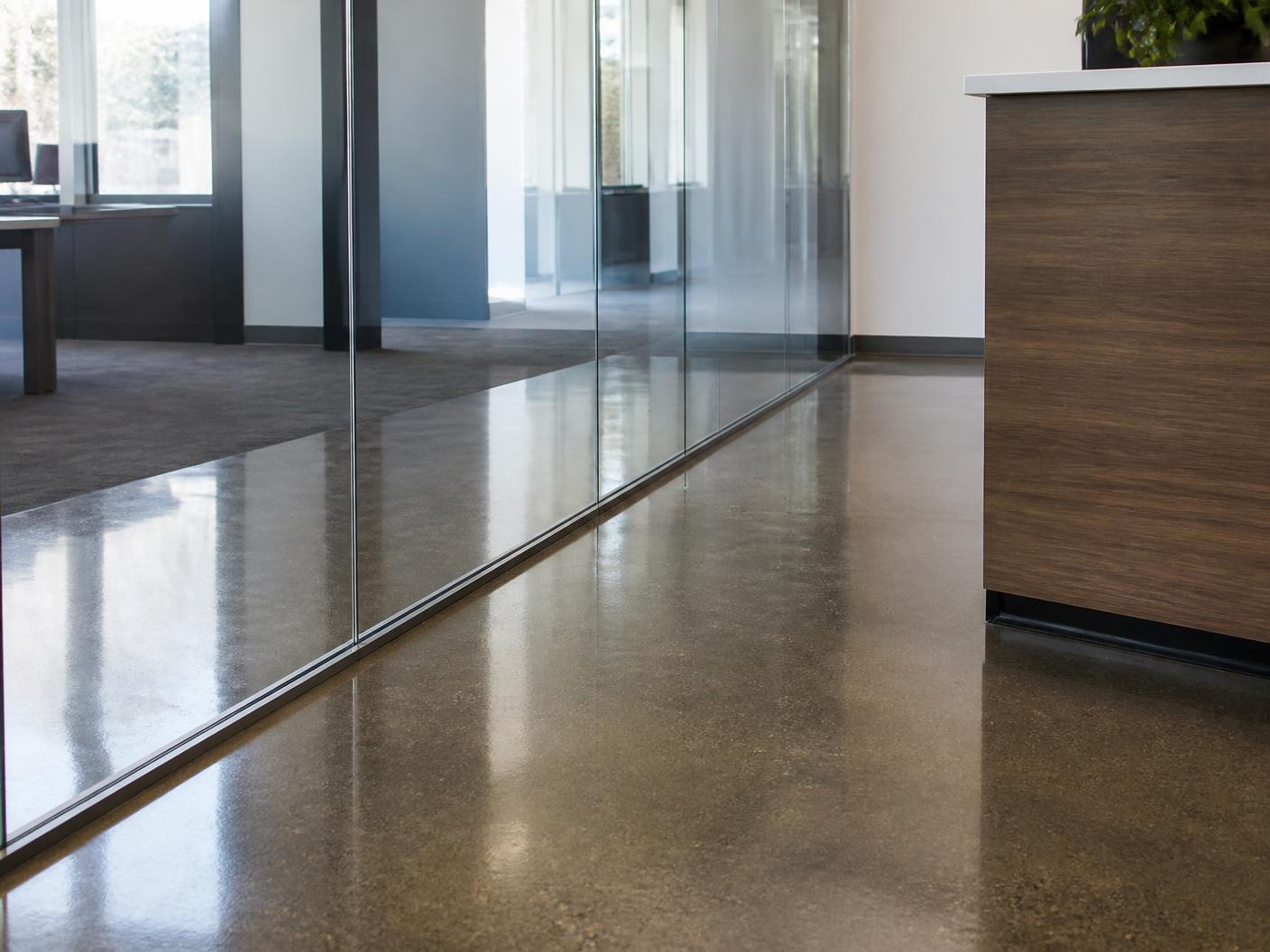
This is a quality inspection checklist for offices, written for commercial cleaning contractors, supervisors and facilities managers who need to judge whether the result on site actually meets the agreed standard.
Interactive checklist
Entrance and reception
The first thing a client sees, and the area most likely to trigger a complaint.
Entrance glazing is free from obvious fingerprints, smears and marks at normal viewing height.
dailyEntrance flooring is free from visible debris, footmarks and standing water.
dailyEntrance matting is clean, lying flat and correctly positioned with no curled edges.
Lift a corner: trapped grit under matting is a common recurring failure.
dailyReception desk and visitor surfaces are visibly clean and free from dust and marks.
Where included within scopedailyAccessible high-touch points (door handles, push plates, entry panels, lift buttons) are visibly clean.
Where included within scopedailyReception waste bins are emptied and liners are fitted correctly, not overhanging or torn.
dailyCorners, skirtings and floor edges are free from obvious dust or debris build-up.
Edge build-up is the clearest sign of routine work being rushed.
weekly
General office areas
Accessible floor areas are cleaned to the agreed standard with no visible debris or marks.
dailyIncluded horizontal surfaces are free from visible dust, including cabinet tops within reach.
Where included within scopeweeklyClear desk surfaces are wiped where the contract permits, with personal items left undisturbed.
Where included within scopedailyUnder-desk and communal bins are emptied and relined, with no waste left beside them.
dailyHigh-touch points such as door handles, light switches and shared equipment are visibly clean.
Where included within scopedailyInternal glazing and partitions are free from obvious smears and handprints.
Where included within scopeweeklyCorners, edges and areas under furniture show no recurring build-up of dust or debris.
weeklyChairs and work areas are returned to the agreed presentation standard.
Where included within scopedaily
Meeting rooms
Meeting tables are visibly clean and free from cup rings, crumbs and marks.
dailyChairs are clean, undamaged and reset to the agreed room layout.
dailyAll waste, cups and leftover materials have been removed from the room.
dailyFloors are clean, including under the table and around chair legs.
dailyInternal glass and partitions are free from obvious handprints and smears.
Where included within scopeweeklyWhiteboards, screens and presentation surfaces are clean and free from dust.
Where included within scopeweekly
Kitchen and break area
Use food-safe products and observe the manufacturer's contact time.
Worktops are visibly clean, dry and free from food residue and sticky marks.
dailySink, taps and drainer are visibly clean with no limescale staining or standing debris.
dailyExternal appliance surfaces (microwave, fridge, dishwasher, coffee machine) are clean and free from splashes.
Where included within scopedailyTables and seating areas are clean and free from crumbs and spills.
dailyFloor is clean and dry, including under and behind free-standing furniture where accessible.
dailyFood waste and recycling are removed, bins are relined and bin lids are clean.
dailyNo obvious food residue, odour or spillage remains in the area.
dailyConsumables such as hand soap and paper towels are replenished where included within scope.
Where included within scopedaily
Washrooms / restrooms
The highest-complaint area in most office contracts. Check every cubicle, not just the first.
Toilets and urinals are visibly clean inside and out, including the base and pipework.
dailyBasins and taps are visibly clean with no residue, limescale or watermarks.
dailyMirrors are free from obvious streaking and splash marks.
dailyFloors are clean and dry, including behind pans and along edges.
dailyWaste and sanitary bins are emptied, relined and visibly clean.
dailyDispensers are clean, secure and functioning correctly.
dailySoap, paper and sanitary consumables are replenished where included within scope.
Where included within scopedailyHigh-touch points such as cubicle locks, handles and flush plates are visibly clean.
dailyNo obvious unresolved odour issue is present; any persistent problem is escalated rather than masked.
A recurring smell usually points at drainage or a fixture, not cleaning frequency.
daily
Corridors and common areas
Floors are clean throughout, with no visible debris in circulation routes.
dailyCorners, edges and stair nosings are free from recurring dust build-up.
weeklyHandrails, door handles and lift call points are visibly clean.
Where included within scopedailyCommunal waste points are emptied and the surrounding area is clear.
Where included within scopedailyVisible internal glazing along circulation routes is free from obvious marks.
Where included within scopeweeklyCleaning equipment and materials are stored correctly and are not left obstructing walkways or fire exits.
daily
Periodic and recurring quality checks
Areas that rarely fail a daily walk-through but degrade over weeks.
Accessible high-level surfaces, vents and light fittings are free from visible dust.
Only where it can be reached safely from the floor or with agreed access equipment.
Where included within scopeperiodicCarpets and soft flooring show no traffic-lane soiling or untreated stains beyond the agreed standard.
Where included within scopeperiodicHard floors show even appearance with no dulling, streaking or polish build-up at edges.
Where included within scopeperiodicCleaning store and equipment are clean, organised and in serviceable condition.
weeklyIssues raised at the previous inspection have been resolved and have not recurred.
A repeat failure is worth more than a new one — record it as such.
weekly
Run this as a digital inspection
Turn this checklist into recurring site inspections, corrective actions, photographic evidence, supervisor verification and professional client reports. Your edits come with you.
Every item describes something you can see and assess, so each line can be recorded as a pass, a fail or not applicable. Edit the wording, remove anything outside your contract, add site-specific items, then print it or run it as a digital inspection.
What this checklist covers
- Entrance and reception
- Glazing, matting, flooring, reception surfaces, high-touch points and waste.
- General office areas
- Floors, dusting, desks where permitted, bins, touch points and internal glass.
- Meeting rooms
- Tables, chairs, waste, floors and presentation surfaces reset for the next booking.
- Kitchen and break area
- Worktops, sink, appliance exteriors, tables, floors, food waste and consumables.
- Washrooms / restrooms
- Pans and urinals, basins, mirrors, floors, dispensers, consumables and odour.
- Corridors and common areas
- Circulation floors, edges, handrails, communal waste and obstruction checks.
- Periodic quality checks
- High-level dust, floor condition, cleaning store and recurring-issue follow-up.
Suggested frequencies
These are starting points, not a universal standard. The right frequency depends on the scope of work, footfall, site usage, client requirements and facility risk.
- Daily: Visible presentation items in occupied areas: floors, waste, washrooms, kitchen and touch points.
- Weekly: Edges, corners, internal glass, high-touch detail and the recurring-issue review.
- Periodic: High-level dusting, floor condition, deep cleans and anything on a scheduled cycle.
How to use this checklist
- Review the checklist against the contract and delete anything outside the agreed scope of work.
- Add site-specific items — a goods lift, a server room exclusion, a client's own presentation standard.
- Walk the site in the same order every time so scores stay comparable between visits.
- Record a fail with a photograph and a short factual description of what you can see.
- Raise a corrective action with an owner and a deadline rather than an informal request.
- Verify the fix with after evidence before closing it, then report the outcome to the client.
Cleaning checklist vs quality inspection
A task checklist asks: was the task done? A quality inspection asks: does the result meet the agreed standard? The difference matters, because a client never sees your task list — they see the edge of a corridor, a washroom mirror and a meeting room table. Writing each item as an observable outcome is what makes a pass or fail defensible in a contract review.
Learn how to build a commercial cleaning quality-control process →
Common quality failures
- Dust and debris build-up along skirtings, edges and behind doors while open floor looks fine.
- Washroom consumables checked in the first cubicle only.
- Bin liners fitted loosely or bins wiped outside but not inside.
- Internal glass and partition handprints at door-push height.
- Kitchen appliance exteriors clean but handles and seals missed.
- Meeting rooms cleaned but not reset to the agreed layout.
- Traffic-lane soiling on carpet treated as acceptable because it appears gradually.
- Previous inspection failures reappearing within two visits without escalation.
Customise this for your contract
Commercial cleaning scopes vary between contracts and facilities. Adapt this template to reflect the agreed scope of work, required frequencies, site risks and client-specific standards.
Items marked where included within scope are the ones most likely to differ between contracts — remove or reword them in the editor above.
Inspect → Correct → Verify
CleaningQA takes this checklist further: run it on a phone at the site, record failed items with photographs, raise corrective actions with an owner and a deadline, collect completion evidence, verify the fix as a supervisor, and send the client a professional quality report.
More on the product: CleaningQA cleaning inspection software
Frequently asked questions
- Is this office cleaning checklist free to use?
- Yes. You can edit it, print it and use it on site without creating an account. Your changes are kept in your own browser.
- How many inspection points does it contain?
- Seven areas covering the entrance, general office space, meeting rooms, kitchen, washrooms, circulation areas and periodic quality checks.
- What is the difference between a cleaning checklist and a quality inspection?
- A task checklist asks whether the work was done. A quality inspection asks whether the result meets the agreed standard — which is what a client actually judges you on.
- How often should an office be inspected?
- It depends on scope, footfall, site usage, client requirements and risk. Many contractors inspect monthly, with weekly checks on high-footfall or newly mobilised sites.
- Can I add my own items?
- Yes. You can edit any wording, add items and sections, remove anything outside your scope, and reset back to the CleaningQA default at any time.