CleaningQA
CleaningQA / Inspection library
Daycare Cleaning Checklist
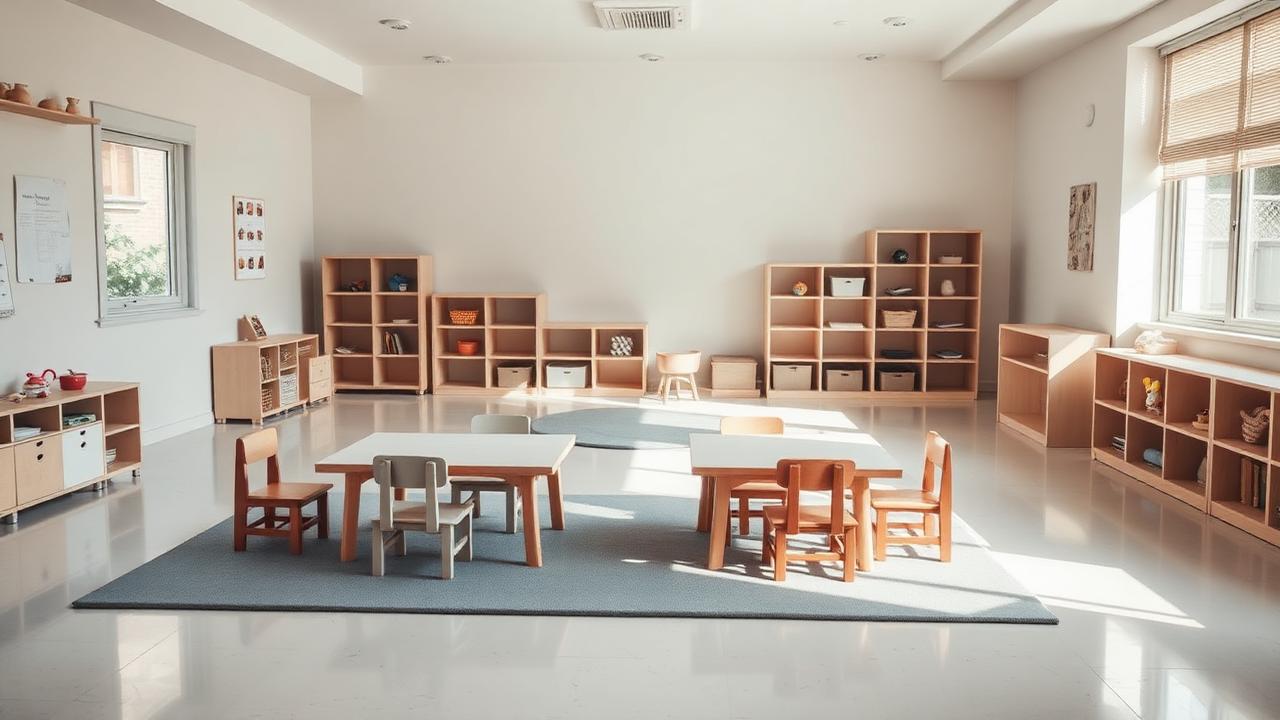
This is a visible cleaning-quality inspection checklist for daycare and nursery settings, written for cleaning contractors, nursery managers and area managers who need to judge the standard delivered against the agreed cleaning specification.
Interactive checklist
Entrance and reception
Inspect as a parent arrives at drop-off, including at buggy and child height.
Entrance flooring is free from visible debris, wet tracking and mud, including at the door threshold.
dailyMatting lies flat, is free from grit and shows no debris trapped along its edges.
dailyEntrance glazing and internal door glass are free from obvious handprints and smears at both adult and child height.
dailyDoor handles, entry keypads and signing-in surfaces are visibly clean where within scope.
Where included within scopedailyBuggy, coat and bag storage areas are free from litter, food debris and visible dust.
Where included within scopedailyReception waste points are emptied, liners intact and nothing is left standing beside the bin.
daily
Play and activity rooms
Crouch to child height for part of this section; most misses are below adult sight line.
Accessible floors are free from visible debris, crumbs, sand and dried spills, including under low furniture where access is safe.
dailyFloor corners, edges and skirtings are free from build-up, glitter, paper scraps and craft residue.
dailySoft flooring, mats and rugs within scope are free from visible debris and obvious staining.
Where included within scopedailyLow-level surfaces, window sills and shelf edges within reach of children are free from visible dust and marks.
dailyAccessible storage unit tops and fronts within scope are visibly clean and free from craft residue.
Where included within scopeweeklyInternal glazing and low windows are free from obvious handprints and food smears at child height.
dailyPaint, glue, sand and water-play spills have been cleaned rather than left to dry in place.
dailyRoom waste points are emptied, liners replaced and no waste is left in the activity space.
daily
Classroom and learning areas
Learning-area floors are clean throughout, with no visible debris in the carpet or story-time area.
dailyTable tops and edges are free from dried paint, glue, food residue and marks.
Where included within scopedailyChair seats, backs and legs are free from crumbs, sticky residue and visible soiling.
Where included within scopedailyBoard surrounds, display ledges and low pin boards are free from dust and loose material.
weeklyFloor beneath tables and low units is free from debris where access is safe and furniture is not lifted.
Do not move heavy furniture to inspect; record inaccessible areas instead.
weeklyMessy-play sinks and surrounds within scope are free from paint residue, splash marks and standing debris.
Where included within scopedaily
Child-accessible shared surfaces
Cleaning quality only. Any specific hygiene or infection-control routine is set by the setting, not by this checklist.
High-touch surfaces within scope — low handles, light switches, stair rails, gate latches — are visibly clean.
Where included within scopedailyChild-height furniture edges and grab points are free from sticky residue and visible marks.
dailyAccessible wall areas at child height are free from obvious handprints, food marks and splashes.
weeklyShared equipment surfaces released to the cleaning team are visibly clean at handover.
Toys and resources are usually cleaned by nursery staff — mark as not applicable where excluded.
Where included within scopedaily
Toilets and washrooms
Child and adult WC pans are clean inside and out, including the rim, hinges and pedestal base.
dailySeats, lids, steps and flush controls are clean, dry and free from marks.
dailyBasins and surrounds are free from soap residue, splash marks and standing water.
dailyTaps and visible pipework are clean and free from limescale bloom and water spotting.
dailyMirrors are free from obvious marks and streaks at both child and adult height.
dailyWashroom floors are clean and dry, including corners, behind doors and around pipe boxing.
dailyNappy-change surfaces and surrounds within scope are visibly clean and free from residue.
Follow the setting's own procedure for changing areas; this item records visible cleaning quality only.
Where included within scopedailySoap, towel and tissue dispensers are clean externally and free from drips and residue.
dailyChild-height soap and towel dispensers are stocked for the full session, with nothing empty at inspection, where supply is within scope.
Where included within scopedailyWaste and nappy bins are emptied, clean externally, lidded and not overflowing.
dailyNo persistent odour is present that ventilation does not resolve, and suspected drainage faults are reported rather than masked.
daily
Food and snack area
Contracted cleaning quality only. Food handling, allergen control and kitchen hygiene procedures belong to the setting.
Snack tables and trolleys within scope are free from crumbs, dried spills and sticky residue.
Where included within scopedailyFloor beneath and around the eating area is free from dropped food, crumbs and spill residue.
dailyContracted worktops, sinks and splashbacks in the snack area are visibly clean and clear at handover.
Where included within scopedailyHigh chair frames, trays and legs are free from food residue where cleaning them is within scope.
Where included within scopedailyFood waste bins are emptied, liners replaced and bin exteriors clean.
daily
Sleep and rest area
Where the setting has a dedicated rest room. Bedding and mattress handling is normally nursery-owned.
Rest-area floors are clean, free from debris and free from dust at edges and under cot or mat positions.
Where included within scopedailyLow surfaces, sills and shelf edges in the rest area are free from visible dust.
Where included within scopeweeklyCot, bed and storage frames released for cleaning are visibly clean and free from marks.
Where included within scopeweeklyThe room presents as fresh and clean, with no lingering odour that ventilation does not resolve.
daily
Staff areas
Staff room flooring, worktops and seating within scope are free from spills, crumbs and discarded packaging.
Where included within scopedailyStaff washrooms meet the same standard as child and parent-facing washrooms where included.
Where included within scopedailyOffice floors and accessible surfaces within scope are clean and free from visible dust.
Where included within scopeweeklyStaff area waste points are emptied and liners replaced.
daily
Corridors and common areas
Corridor and stair floors are clean throughout, including edges, corners and beneath low storage.
dailyHandrails, low rails and gate mechanisms within scope are visibly clean.
Where included within scopedailyCorridor glazing and door vision panels are free from obvious handprints at child height.
dailyFire exit routes and corridors are clear of cleaning equipment, waste and stored items at the end of the clean.
dailyThe cleaning store is locked, tidy, and chemicals and equipment are stored out of reach of children.
daily
Final presentation and follow-up
A final walkthrough finds nothing a parent would notice immediately at drop-off.
dailyDamage, unresolved stains, pest sightings and maintenance faults are recorded and escalated rather than cleaned around.
dailyIssues raised at the previous inspection have been resolved and have not recurred.
weekly
Run this as a digital inspection
Turn this checklist into recurring site inspections, corrective actions, photographic evidence, supervisor verification and professional client reports. Your edits come with you.
It is a starting point for inspecting cleaning quality only. It is not an infection-prevention, licensing, safeguarding or regulatory compliance tool, and it does not certify sanitisation. Adapt it to the setting's own cleaning specification and procedures, relevant local childcare requirements and appropriate professional guidance. Every item describes an observable outcome so it can be recorded as a pass, a fail or not applicable.
What this checklist covers
- Entrance and reception
- Flooring, matting, glazing, touchpoints, buggy storage and waste.
- Play and activity rooms
- Floors and corners, soft flooring, low surfaces, glazing, spills and waste.
- Classroom and learning areas
- Floors, tables and chairs, display ledges, under-furniture and messy-play sinks.
- Child-accessible shared surfaces
- Low handles and rails, furniture grab points, walls and released equipment.
- Toilets and washrooms
- Pans, basins, taps, mirrors, floors, change surfaces, consumables and waste.
- Food and snack area
- Snack tables, floors, contracted worktops, high chairs and food waste.
- Sleep and rest area
- Floors, low surfaces, released frames and room freshness.
- Staff areas
- Staff room, staff washrooms, offices and waste points.
- Corridors and common areas
- Floors, rails, vision panels, clear exit routes and the cleaning store.
- Final presentation
- Parent-eye walkthrough, escalation and recurrence of previous issues.
Suggested frequencies
These are starting points, not a universal standard. The right frequency depends on the scope of work, footfall, site usage, client requirements and facility risk.
- Daily: Everything at child height, all washrooms, snack areas, floors and waste.
- Weekly: Display ledges, under-furniture floors, walls at child height and staff offices.
- Periodic: Scheduled deep cleans of soft flooring and high-level areas, planned outside opening hours.
How to use this checklist
- Adapt the wording to the setting's own cleaning specification, procedures and any local childcare requirements before using it.
- Inspect at child height for at least part of the walk — most misses sit below adult sight line.
- Mark items the nursery team owns, such as toy and resource cleaning, as not applicable so the boundary is explicit.
- Inspect before opening for the delivered standard, and again mid-session to see how it holds up in use.
- Do not move heavy furniture or equipment to reach an item; record it as inaccessible and report it.
- Photograph failures with enough context to identify the room, then raise a corrective action with an owner and a deadline.
Cleaning checklist vs quality inspection
A task checklist asks: was the task done? A quality inspection asks: does the result meet the agreed standard? The difference matters, because a client never sees your task list — they see the edge of a corridor, a washroom mirror and a meeting room table. Writing each item as an observable outcome is what makes a pass or fail defensible in a contract review.
Common quality failures
- Floors clean in open walkways while craft debris and crumbs remain under low tables and units.
- Glazing cleaned at adult height with handprints left across the lower panes children actually touch.
- Dried paint, glue and glitter left in floor corners and along skirtings.
- Low handles, gate latches and stair rails missed because they sit below the usual cleaning line.
- Empty soap or towel dispensers in child washrooms mid-session.
- Nappy bins clean inside but soiled around the lid and pedal.
- Cleaning equipment or chemicals left in a corridor or unlocked store at the end of the clean.
Customise this for your contract
Commercial cleaning scopes vary between contracts and facilities. Adapt this template to reflect the agreed scope of work, required frequencies, site risks and client-specific standards.
Items marked where included within scope are the ones most likely to differ between contracts — remove or reword them in the editor above.
Inspect → Correct → Verify
CleaningQA takes this checklist further: run it on a phone at the site, record failed items with photographs, raise corrective actions with an owner and a deadline, collect completion evidence, verify the fix as a supervisor, and send the client a professional quality report.
More on the product: CleaningQA cleaning inspection software
Related templates
Frequently asked questions
- Does this checklist cover infection control or licensing requirements?
- No. It inspects visible cleaning quality only. Infection prevention, childcare licensing, safeguarding and any sanitisation requirement are set by the setting and the relevant local authority, and need their own procedures and records.
- Who cleans toys and resources?
- In most settings the nursery team does, on their own schedule. Unless the cleaning contract explicitly includes them, mark those items as not applicable so the boundary is documented.
- How often should a daycare be inspected?
- It depends on size, hours and contract scope. Many settings use a formal monthly quality inspection with short daily manager checks between visits.
- Can I use and print this without an account?
- Yes. Edit the wording, add or remove items and print it free. Your changes are saved in your own browser.