CleaningQA
CleaningQA / Inspection library
Medical Office Cleaning Checklist
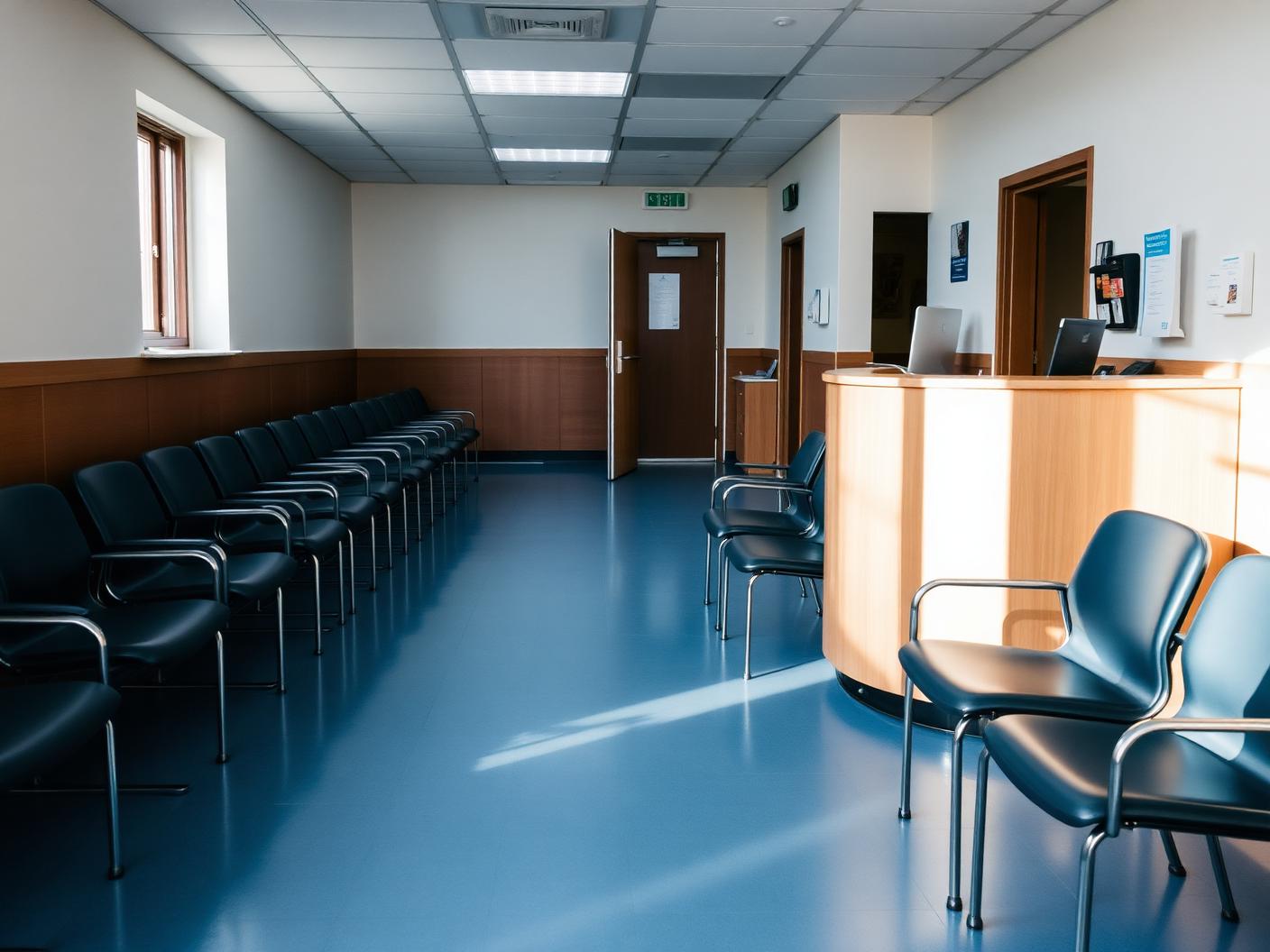
This is a cleaning quality inspection checklist for medical offices, clinics and consulting practices. It is written for cleaning contractors and practice managers who need a consistent way to judge whether the environment presents as clean and well maintained.
Interactive checklist
Reception and waiting area
The area patients judge the practice on before anything else.
Entrance doors, glazing and reception screens are free from fingerprints and smears at normal viewing height.
dailyEntrance and waiting area floors are clean, dry and free from debris, including under seating.
dailyWaiting room seating is clean, with no visible residue, marks or debris in seat joints and under armrests.
dailyReception counter, check-in screens and shared pens or clipboards are visibly clean.
Where included within scopedailyHigh-touch points — door handles, push plates, handrails, lift buttons — are visibly clean.
dailyGeneral waste bins are emptied, relined and clean externally, with no waste left beside them.
dailyLeaflet racks, notice boards and low ledges are free from visible dust and out-of-date clutter is reported.
weekly
Consulting and treatment rooms
Inspect cleaning presentation only. Clinical equipment and clinical waste are handled under the practice's own procedures.
Room floors are clean throughout, including under the desk, behind the door and around trolley wheels.
dailyNon-clinical surfaces — desk, chair, cabinet tops within reach — are clean and free from visible dust and marks.
dailyHand basin, taps and splashback are clean with no residue, soap build-up or water marking.
dailySoap, paper towel and hand-gel dispensers are clean, secure and replenished where included within scope.
Where included within scopedailyExamination couch frame, base and non-clinical upholstery are visibly clean, with no residue or debris underneath.
Where included within scopedailyGeneral waste bins are emptied and relined; clinical waste containers are left to the practice and not handled.
dailyInternal glazing, mirrors and vision panels are free from smears and marks.
weekly
Corridors and circulation
Corridor floors are clean and dry, with an even appearance and no scuff or residue build-up along traffic lanes.
dailyFloor edges, corners and skirtings are free from dust and debris build-up.
weeklyHandrails, grab rails and wall protection are visibly clean along their full length.
dailyHand-gel points along corridors are clean, secure and free from drips and residue on the wall below.
Where included within scopedailyWet-floor signage is in use while cleaning and removed once floors are dry.
daily
Patient washrooms
Toilets are visibly clean inside and out, including the base, pipework and behind the pan.
dailyBasins, taps and vanity surfaces are clean, with no residue or standing water.
dailyFloors are clean and dry, including edges and corners, with no residue in floor joints.
dailyGrab rails, support frames and accessible fittings are visibly clean.
dailyMirrors are free from streaking and splash marks.
dailySoap, paper and sanitary consumables are replenished where included within scope, in every cubicle.
Where included within scopedailyGeneral and sanitary waste bins are emptied, relined and visibly clean.
dailyNo unresolved odour issue is present; any persistent problem is escalated rather than masked.
daily
Staff and administrative areas
Staff kitchen worktops, sink and taps are clean with no food residue or standing debris.
dailyMicrowave, fridge and kettle exteriors are clean and free from splashes.
Where included within scopedailyStaff seating and tables are clean and free from crumbs and marks.
dailyAdministrative office floors, clear desk surfaces and shared print areas are clean and dust-free.
dailyStaff area bins and recycling points are emptied and relined.
daily
Support areas and cleaning store
Cleaning store is clean, organised, and chemicals and equipment are stored securely and correctly labelled.
weeklyColour-coded cloths, mops and equipment are separated and used as set out in the site's own procedure.
weeklyGeneral waste hold area is tidy, with waste contained and the floor clear.
Where included within scopedailyCleaning equipment is clean, in serviceable condition and not left in patient-facing areas.
weekly
Periodic and recurring checks
Accessible high-level surfaces, vents and light fittings are free from visible dust where they can be reached safely.
Where included within scopeperiodicHard floors show an even finish with no residue build-up, and welded seams and coving are clean.
Where included within scopeperiodicWaiting room upholstery is clean throughout with no staining beyond the agreed standard; worn items are reported.
Where included within scopeperiodicIssues raised at the previous inspection have been resolved and have not recurred.
weekly
Run this as a digital inspection
Turn this checklist into recurring site inspections, corrective actions, photographic evidence, supervisor verification and professional client reports. Your edits come with you.
This is a visual cleaning quality checklist, not a clinical decontamination or infection-prevention audit. It does not assess disinfection efficacy, clinical waste handling, sterile services or compliance with healthcare standards — those follow the practice's own policies and its clinical governance requirements. Items marked as depending on scope should only be inspected where the contract genuinely covers them.
What this checklist covers
- Reception and waiting
- Glazing and screens, floors, seating, counter, touch points and waste.
- Consulting and treatment rooms
- Floors, non-clinical surfaces, basins, dispensers, couch frames and waste.
- Corridors and circulation
- Floors and edges, handrails, gel points and wet-floor signage.
- Patient washrooms
- Pans, basins, floors, grab rails, mirrors, consumables and waste.
- Staff and admin areas
- Kitchen surfaces, appliance exteriors, seating, desks and bins.
- Support areas
- Cleaning store, colour-coded equipment, waste hold and equipment condition.
- Periodic checks
- High-level dust, floor and coving condition, upholstery and recurring issues.
Suggested frequencies
These are starting points, not a universal standard. The right frequency depends on the scope of work, footfall, site usage, client requirements and facility risk.
- Daily: Patient-facing areas, touch points, washrooms, consulting room floors and waste.
- Weekly: Floor edges and skirtings, internal glazing, cleaning store and equipment condition.
- Periodic: High-level dusting, floor restoration and upholstery cleaning, planned around clinic hours.
How to use this checklist
- Confirm with the practice which rooms may be entered, when, and what remains clinical responsibility.
- Remove or mark as not applicable anything the contract does not cover — clinical equipment and clinical waste in particular.
- Inspect before clinic opens where possible; that is the standard patients see.
- Photograph failures where it is appropriate to do so, and never capture patient information or people.
- Separate cleaning failures from wear and maintenance issues such as damaged flooring or failing coving.
- Raise corrective actions with an owner and a deadline, and verify with evidence before closing.
Cleaning checklist vs quality inspection
A task checklist asks: was the task done? A quality inspection asks: does the result meet the agreed standard? The difference matters, because a client never sees your task list — they see the edge of a corridor, a washroom mirror and a meeting room table. Writing each item as an observable outcome is what makes a pass or fail defensible in a contract review.
Common quality failures
- Waiting room seat joints and undersides never inspected, so debris accumulates unseen.
- Consulting room floors clean in the open area but not behind the door or under the desk.
- Hand-gel and soap dispensers left with dried drips down the wall beneath them.
- Reception screens and check-in touchscreens smeared at eye level.
- Corridor edges and skirtings missed by machine cleaning week after week.
- Colour-coded equipment mixed between washroom and clinical-area use.
- Cleaning trolleys and equipment left in patient-facing areas during opening hours.
Customise this for your contract
Commercial cleaning scopes vary between contracts and facilities. Adapt this template to reflect the agreed scope of work, required frequencies, site risks and client-specific standards.
Items marked where included within scope are the ones most likely to differ between contracts — remove or reword them in the editor above.
Inspect → Correct → Verify
CleaningQA takes this checklist further: run it on a phone at the site, record failed items with photographs, raise corrective actions with an owner and a deadline, collect completion evidence, verify the fix as a supervisor, and send the client a professional quality report.
More on the product: CleaningQA cleaning inspection software
Related templates
Frequently asked questions
- Is this medical office cleaning checklist free to use?
- Yes. Edit it, print it and use it without creating an account. Your changes stay in your own browser.
- Does this replace an infection-control audit?
- No. This is a visual cleaning quality checklist. Infection prevention, disinfection validation and clinical waste handling are governed by the practice's own policies and clinical requirements.
- Should cleaners handle clinical waste?
- Only where the contract explicitly includes it and staff are trained and equipped for it. Otherwise leave those containers to the practice and record the item as not applicable.
- How often should a clinic be inspected?
- It depends on patient throughput, room count and contract scope. Many practices run a formal monthly quality inspection alongside daily operational checks.